
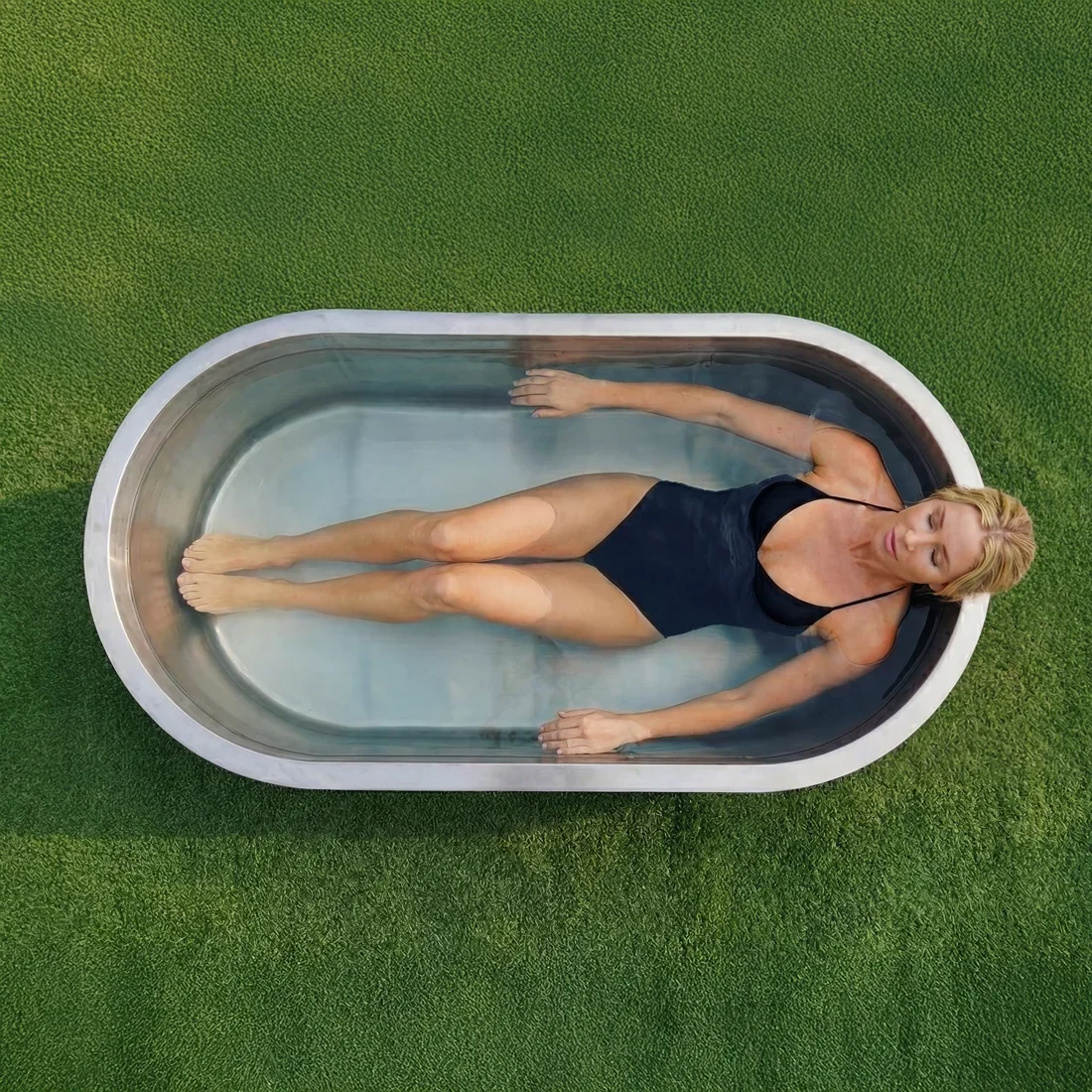
Cold & Contrast Therapy
Experience the natural beauty of Canadian Cedar. Our state-of-the-art filtration system combines Ozone, Micron, and Sediment filters in an all stainless steel tub for optimal temperature control and chemical-free plunge experience.
Getting Started with Cold Therapy
Cold water immersion is one of the most studied tools in recovery and performance. It's also one of the most misunderstood. Here's what you actually need to know before you begin.
What temperature should I start at?
Don't chase the cold. Starting at 59˚F (15°C) is cold enough to trigger the physiological benefits; adrenaline release, vasoconstriction, and activation of the nervous system. Work your way down as your body adapts.
Beginners: 57–61°F (14–16°C)
Intermediate: 50–57°F (10–14°C)
Advanced: 46–50°F (8–10°C)
How long should I stay in?
Start with 2–3 minutes and build to 5–10 minutes over a few weeks. Research suggests benefits plateau around 10–15 minutes, so longer isn't necessarily better.
How often should I plunge?
3–5 times per week is optimal for most people. Daily plunging is possible, and many experienced practitioners prefer it, but rest days give your nervous system time to integrate the benefits.
What to expect in your first few sessions
The first 30–60 seconds are the hardest. Your body will want to gasp and tense. Focus on slow, controlled breathing.After the initial shock settles, many people experience a calm, focused state while still in the water.The afterglow (elevated mood, clarity, warmth) typically lasts 2–4 hours post-session.
Tips for your first plunge
Don't go alone your first time.Have warm, dry clothes ready to change into immediately after.Avoid eating a heavy meal within an hour of plunging.Breathe through your nose. This activates the parasympathetic nervous system and counteracts the gasp reflex.
Benefits of Contrast Therapy
Hot, cold, repeat. Here's why it works.
Contrast therapy alternates between cold water immersion and heat exposure, deliberately cycling the body between vasoconstriction and vasodilation. That cycle may amplify some of the benefits associated with either therapy alone.
Where to start? Heat or cold?
Start with cold. Beginning with cold immersion activates the nervous system and triggers the vasoconstriction-vasodilation cycle from the first round, setting up the contrast effect for the rest of the session.
Where you finish depends on your goal:
End on cold if your priority is recovery it helps reduce residual inflammation and keeps the nervous system activated.
End on heat if your priority is relaxation or sleep heat exposure in the final round supports the parasympathetic response and helps the body wind down.
Enhanced recovery and reduced muscle soreness
Alternating cold and heat helps clear metabolic byproducts (like lactate) from muscles. Many athletes use contrast therapy to reduce DOMS and speed up recovery after high-intensity training.
Improved circulation
The constriction-dilation cycle temporarily increases blood flow to targeted areas, with potential benefits for tissue health and cardiovascular function.
Reduced swelling and inflammation
Cold phases help minimise post-exercise inflammation. Alternating with heat may help tissues flush waste products more efficiently.
Mental resilience
Regular contrast therapy is associated with improved stress tolerance, better mood regulation, and increased mental sharpness, partly driven by the noradrenaline surge from cold exposure.
A starting protocol
Research suggests accumulating around 11 minutes of cold water immersion per week for recovery benefits. A common contrast protocol:
Round 1: 2–4 minutes in cold water at 50–59°F (10–15°C). Focus on controlled breathing.
Round 2: 10–15 minutes of heat exposure (infrared or steam sauna).
Repeat 2–3 cycles. End on cold for recovery; end on heat for relaxation.
Before you begin
Beginners: start with shorter cold exposures and higher water temperatures. Build duration gradually.
Always exit if you feel dizzy, unwell, or experience heart palpitations.
Not recommended without medical clearance for those with cardiovascular conditions.
Make sure cold water immersion is safe for you before adding contrast therapy to your routine.

Cold Therapy for Mental Health + Wellbeing
For many people, the mental shift after a plunge is what keeps them coming back. Here's what's actually happening and why consistency matters.
What happens in your brain
When you enter cold water, your body releases a surge of noradrenaline. A neurotransmitter tied to mood, focus, and emotional regulation. Research has measured increases of 200–300% from a single session. That's why so many people step out feeling clearer, even on the days they really didn't want to get in.
Stress and anxiety
Regular cold exposure trains your nervous system. Over time, it can lower baseline anxiety, reduce cortisol reactivity, and improve your ability to stay calm under pressure. Think of it as deliberate practice for your stress response, controlled discomfort that makes the uncontrolled kind easier to handle.
Mood and motivation
The noradrenaline and endorphin release from cold water has been linked to improvements in low mood. Many practitioners describe it as a reliable, repeatable way to shift their mental state.
Sleep
After a plunge, your core temperature gradually rises. A signal to your brain that it's time to wind down. Many regular cold plungers report better sleep quality, especially when plunging in the afternoon or early evening.
Making it stick
A single plunge feels dramatic. A weekly plunge feels nice. A daily plunge (even a short one) is where the benefits really compound. Consistency is what drives the mental health effects over time.